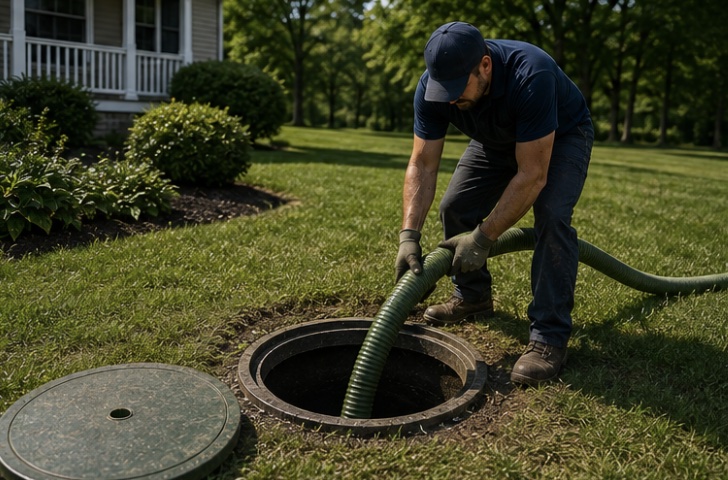
Septic Tank Pumping in Augusta, GA
Regular pumping is the single most effective way to avoid a costly septic emergency. Schedule routine service or get fast help if your tank is overdue.
(706) 607-6960How Often Should You Pump Your Tank?
Most residential septic tanks should be pumped every 3-5 years, though the right interval depends on your household size, tank size, and how much wastewater you generate. Households with a garbage disposal, a water softener, or more people than the system was designed for often need more frequent pumping.
Small household (1-2 people)
Every 4-5 years is typically sufficient for a properly sized tank.
Average household (3-5 people)
Every 3-4 years is a common interval, especially with a 1,000-gallon tank.
Large household or undersized tank
May need pumping every 1-3 years to avoid overloading the system.
What Happens During a Pumping Visit
- The tank lid or access riser is located and opened.
- Sludge and scum levels are checked to confirm pumping is needed and assess overall tank condition.
- A vacuum truck removes the tank's contents for proper disposal.
- The tank, baffles, and outlet are visually inspected for cracks, damage, or signs the drain field may need attention.
- The lid is resealed and the area is left clean.
Why Regular Pumping Pays for Itself
Avoids the expensive failure
A tank pumped on schedule almost never leads to a drain field failure - which is the multi-thousand-dollar repair pumping is specifically designed to prevent.
Protects your yard and home
Backups don't just mean a plumbing problem - they mean sewage in your yard or home, which is a genuine health hazard on top of the cleanup cost.
Extends the whole system's life
Both the tank and drain field last longer when solids never get the chance to overflow downstream.
Cheaper than the alternative
A routine pumping visit costs a fraction of even a minor drain field repair, let alone a full replacement.
Common Pumping Mistakes to Avoid
- Going by 'it's never backed up' instead of an actual pumping schedule - by the time it backs up, damage is often already done downstream.
- Using septic tank additives as a substitute for pumping - none of them replace physically removing solids.
- Assuming a garbage disposal doesn't change anything - it adds solids that fill the tank faster.
- Forgetting where the tank/riser is located, which delays service when it's actually needed.
Frequently Asked Questions
- How do I know if my tank is overdue for pumping?
- Slow drains, gurgling pipes, sewage odor near the tank, or simply not knowing the last time it was pumped are all signs it's time to schedule service.
- Does pumping fix a failing drain field?
- No - pumping only addresses the tank itself. If the drain field has already failed, pumping the tank may provide short-term relief but won't resolve the underlying issue.
- Can I pump my own septic tank?
- It's not recommended. Proper pumping requires specialized vacuum equipment and safe disposal of the waste, which is regulated. A licensed local provider handles this safely and in compliance with local requirements.
- Do septic tank additives reduce how often I need to pump?
- No reputable evidence supports that additives eliminate the need for regular pumping. Solids still accumulate and need to be physically removed on schedule.
- What happens if I never pump my tank?
- Solids eventually overflow into the drain field, clogging the soil and causing failure - often the most expensive septic repair there is. Regular pumping is meant to prevent exactly this outcome.
Other Ways We Can Help
Septic Tank Repair
Diagnosis and repair for failing septic tanks, backups, and system faults.
Drain Field Repair
Restoring drain fields (leach fields) that are saturated, clogged, or failing.
Septic Installation & Replacement
New system installation and full replacement for end-of-life septic systems.
Septic Inspection
Pre-sale, routine, and permit inspections with clear, honest reporting.
Emergency Septic Service
Fast response for active backups, overflows, and failing systems.
Commercial Septic Services
Septic and grease trap service for restaurants, offices, and commercial properties.